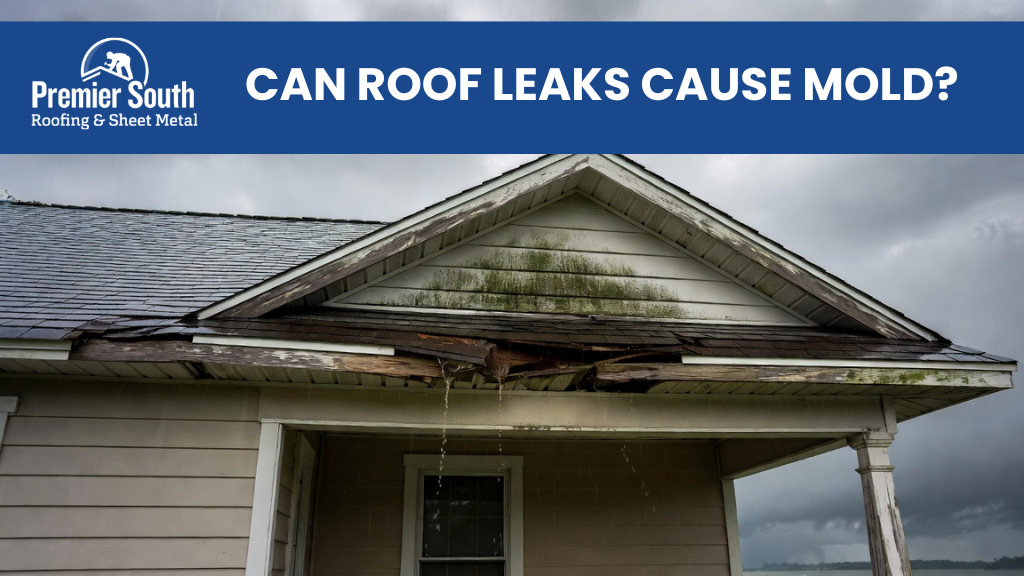
As a Louisiana homeowner, you’ve likely dealt with the relentless humidity, frequent storms, and the occasional hurricane that tests the resilience of your home. But have you ever wondered if a small roof leak could snowball into a major problem like mold infestation? The short answer is yes, roof leaks can indeed cause mold, and in Louisiana’s warm, moist climate, this issue can escalate quickly. With high humidity levels often exceeding 70% and heavy rainfall from events like Hurricane Ida, even minor water intrusion can create the perfect breeding ground for mold spores. In this comprehensive guide, we’ll explore how roof leaks lead to mold, why Louisiana residents are at higher risk, signs to watch for, prevention strategies, and when to call in professionals like those at Premier South Roofing & Sheet Metal. Whether you’re in Baton Rouge, Lafayette, or New Orleans, understanding this connection could save you thousands in repairs and protect your family’s health.
Understanding the Link: How Roof Leaks Lead to Mold Growth
Roof leaks don’t just cause unsightly water stains, they introduce moisture into hidden areas of your home where mold can thrive undetected. Mold spores are everywhere in the air, but they need three things to grow: moisture, warmth, and an organic food source like wood or drywall. When water seeps through a damaged shingle, cracked flashing, or worn-out seal, it penetrates the attic, insulation, or ceiling cavities. In as little as 24 to 48 hours, mold can begin to form if the area isn’t dried out promptly.
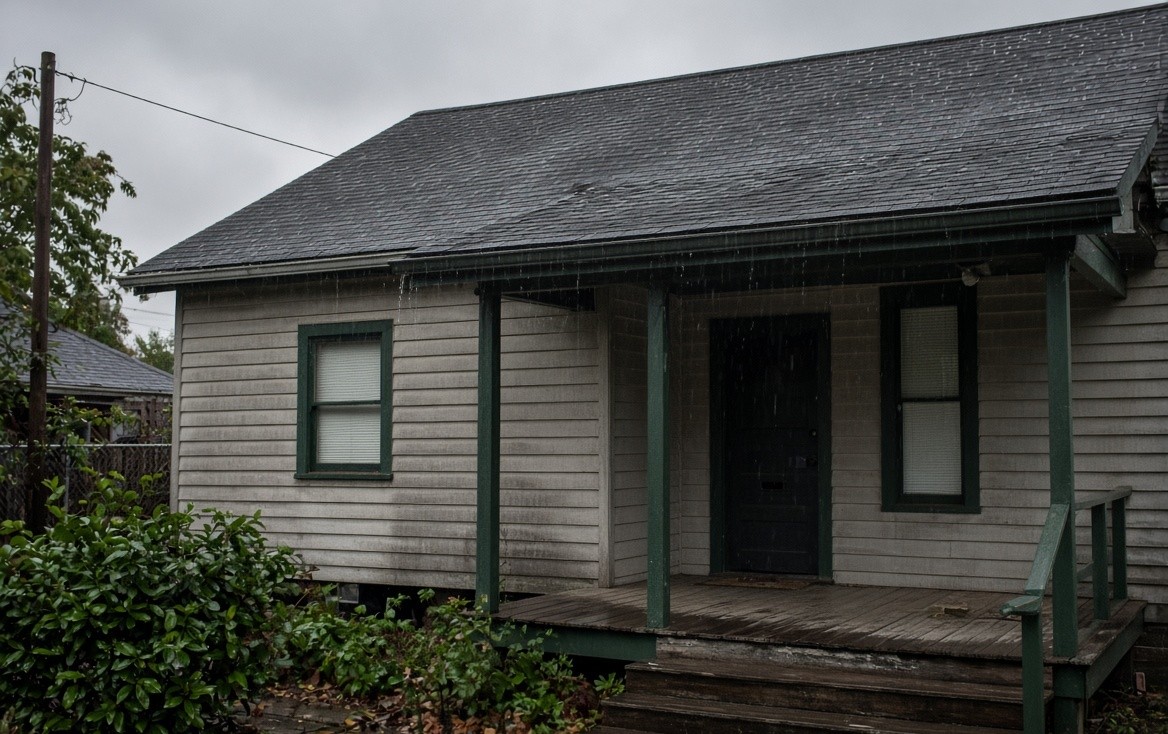
Consider this common scenario: A storm hits your Baton Rouge home, dislodging a few shingles. Rainwater trickles in, soaking the attic insulation. Without proper ventilation, that dampness lingers, allowing mold to colonize the wood framing or sheathing. Over time, this can spread downward, appearing as black spots on ceilings or walls. In Louisiana, where average annual rainfall can top 60 inches, these leaks are more than inconvenient, they’re a gateway to extensive damage. Older homes with inadequate insulation or ventilation are especially susceptible, as the trapped humidity accelerates mold proliferation. If left unchecked, what starts as a drip can turn into a full-blown infestation, compromising your home’s structural integrity and air quality.
Why Louisiana’s Climate Makes Roof Leaks a Mold Magnet
Louisiana’s subtropical climate is a double-edged sword, beautiful bayous and vibrant culture come with high humidity, frequent thunderstorms, and hurricane seasons that can wreak havoc on roofs. The state’s average humidity hovers around 75%, creating an environment where moisture from leaks doesn’t evaporate easily. This is why roof leaks in areas like the North Shore or Houma often lead to rapid mold growth compared to drier regions.
Frequent flooding and storms exacerbate the problem. For instance, after Hurricane Laura in 2020, many homeowners in Lake Charles reported mold issues stemming from undetected roof damage. Broken gutters, clogged drains, or even cold spots in poorly insulated attics can trap water, turning your home into a mold haven. In coastal areas like Grand Isle or Metairie, saltwater intrusion from storms can make mold even more aggressive, as it corrodes materials and promotes fungal growth.
Moreover, Louisiana’s building codes, while improved post-Katrina, still leave room for vulnerabilities in older structures. Homes built before the 2000s may lack fortified roofing standards, making them prone to leaks during high winds. If you’re in Ascension Parish or St. Tammany Parish, where heavy rains are common, regular checks are essential to prevent mold from taking hold.
Spotting the Early Signs of Mold from Roof Leaks
Catching a roof leak early can prevent mold altogether. Look for these telltale signs in your Louisiana home:
- Water Stains on Ceilings or Walls: Brown or yellowish discolorations often indicate ongoing leaks. In humid areas like Denham Springs, these can quickly harbor mold behind the surface.
- Musty Odors: A persistent earthy smell, especially in attics or upper rooms, signals hidden mold growth.
- Visible Mold Spots: Black, green, or white patches on attic wood, insulation, or drywall. Check your attic regularly, as mold here can spread to living spaces.
- Peeling Paint or Bubbling Wallpaper: Moisture from leaks causes materials to deteriorate, creating ideal conditions for mold.
- Increased Allergy Symptoms: If family members experience unexplained sneezing, coughing, or eye irritation, mold spores could be circulating through your HVAC system.
The Hidden Dangers: Health and Structural Risks
Mold isn’t just an eyesore; it poses serious health risks, particularly for vulnerable groups like children, the elderly, or those with asthma. Exposure can lead to respiratory issues, allergies, headaches, and in severe cases, toxic effects from “black mold” (Stachybotrys). In Louisiana, where mold thrives year-round, prolonged exposure has been linked to increased asthma rates, especially post-hurricane.
Structurally, mold feeds on organic materials, causing wood rot that weakens beams and joists. This can lead to sagging ceilings, compromised roofs, and costly repairs, sometimes exceeding $10,000 if widespread. In flood-prone areas like Plaquemine or Thibodaux, untreated leaks can also attract pests, compounding the damage.
Proactive Prevention: Keeping Mold at Bay in Your Louisiana Home
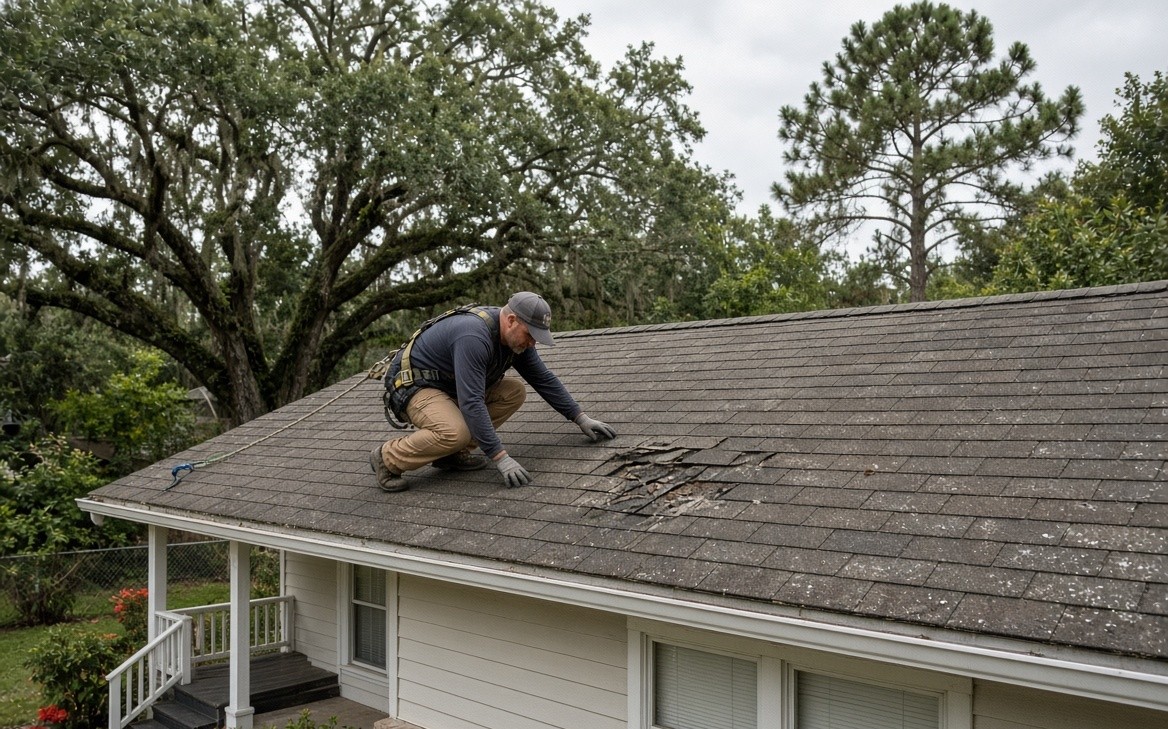
Prevention is key in Louisiana’s challenging climate. Start with regular residential roof inspections to catch leaks early. At Premier South, we recommend bi-annual checks, especially before hurricane season.
Maintain your residential gutters and downspouts to prevent water pooling, clogged systems are a common culprit in places like Covington or Mandeville. Ensure proper attic ventilation to reduce humidity buildup. Consider upgrading to fortified roofing materials that withstand Louisiana’s winds, as outlined in our Louisiana Fortified Roofing Contractor services.
For new builds or replacements, opt for metal roofing, which resists leaks better in humid environments. Check out our metal roofing options for durable solutions. Also, control indoor humidity with dehumidifiers, aiming for levels below 60%.
Steps to Take If You Discover a Leak and Suspect Mold
If you spot a leak, don’t delay. First, contain the water by placing buckets and tarping the roof if safe. Then, dry the area with fans and dehumidifiers to halt mold growth.
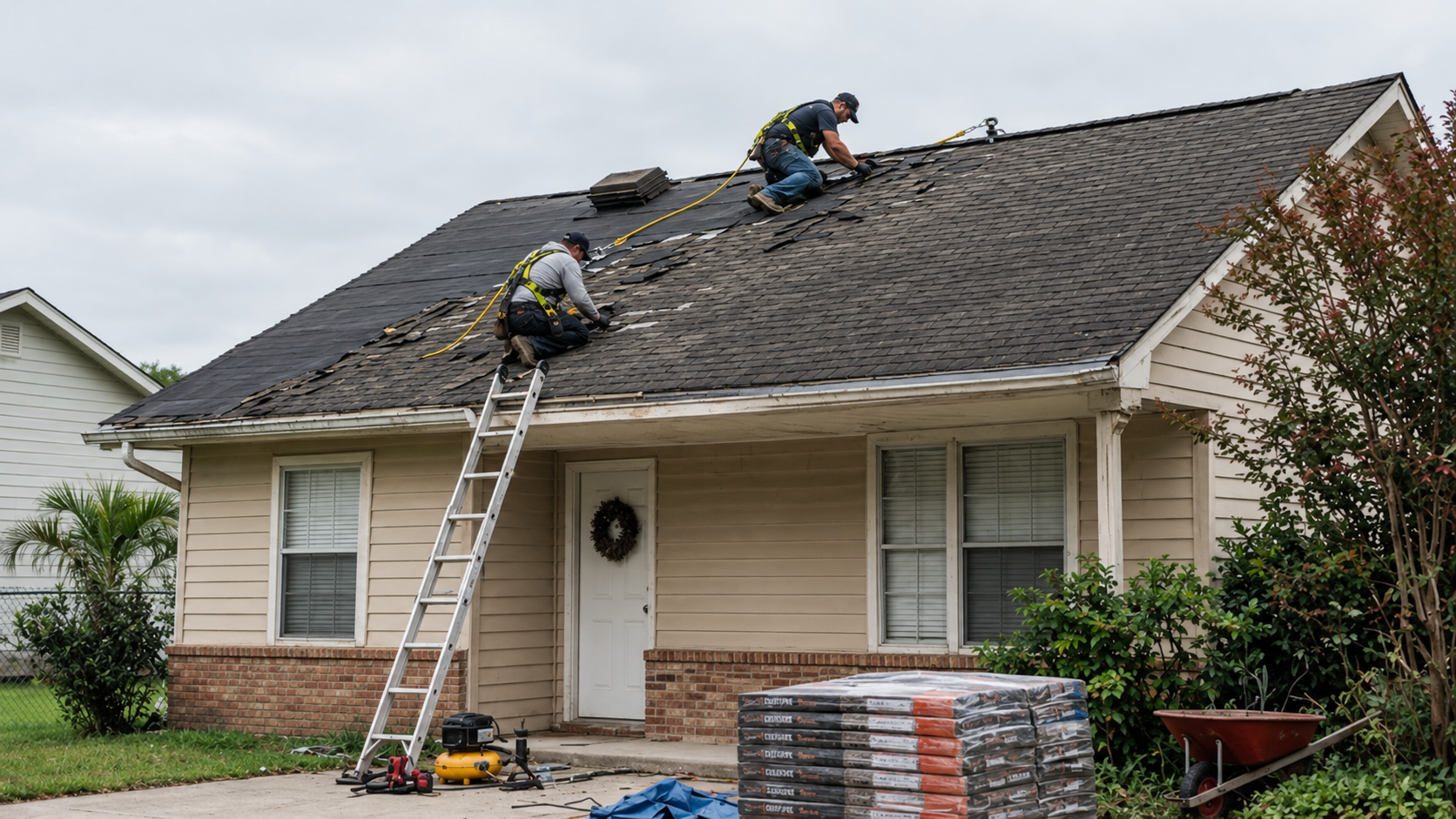
For mold remediation, avoid DIY if the area is larger than 10 square feet, professional help is crucial to prevent spore spread. Contact a certified roofer for repairs; at Premier South, our roof repair services use hand-nailed techniques for lasting results.
If storm damage is involved, document everything for insurance claims. In areas like Gonzales or Zachary, our storm damage restoration team can assess and restore your roof efficiently.
Final Thoughts: Protect Your Louisiana Home Today
Roof leaks can absolutely cause mold, and Louisiana homeowners face amplified risks due to our unique weather patterns. By staying vigilant, scheduling regular maintenance, and addressing issues promptly, you can safeguard your home and health. If you’re concerned about a potential leak in your Baton Rouge, Lafayette, or surrounding area home, reach out to Premier South Roofing & Sheet Metal today. Our expert team, serving regions from Abbeville to Zachary, offers free inspections and tailored solutions. Don’t let a small drip become a big problem, contact us now to keep your home mold-free and secure.