In Louisiana’s humid climate, where heavy rains, hurricanes, and tropical storms are common, roof water damage can escalate quickly if not addressed early. As a homeowner or business owner in areas like Baton Rouge, Lafayette, or New Orleans, spotting the early signs of roof water damage is crucial to avoiding costly repairs, structural issues, and even health hazards from mold growth. At Premier South Roofing & Sheet Metal, we’ve seen firsthand how proactive detection can save thousands in restoration costs. This comprehensive guide will help you identify those subtle indicators before they turn into major problems, tailored to Louisiana’s unique weather challenges.
What Is Roof Water Damage and Why Does It Matter?
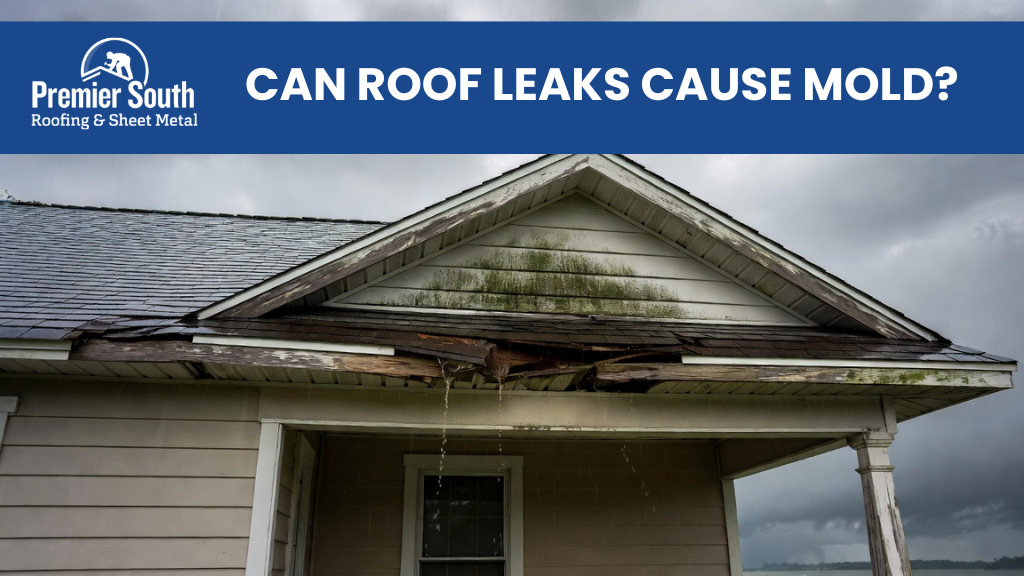
Roof water damage occurs when moisture infiltrates your roofing system, often through leaks, poor drainage, or storm-related wear. Over time, this can weaken your roof’s structure, damage insulation, and lead to interior issues like mold and rot. In Louisiana, high humidity accelerates these problems, mold can form within 24-48 hours of water exposure, and frequent storms like those from Hurricane Ida remnants can exacerbate vulnerabilities.
Early detection is key, Catching issues soon can mean a simple repair instead of a full roof replacement. According to industry experts, untreated water damage can increase repair costs by up to 5-10 times if it spreads to framing or electrical systems. Regular checks, especially after heavy rains, can prevent this.
Common Causes of Roof Water Damage in Louisiana
Understanding the root causes helps in prevention. Here are the most frequent culprits in our state:
- Storm Damage: High winds from hurricanes or thunderstorms can lift shingles, crack flashing, or deposit debris that clogs gutters.
- Clogged Gutters and Poor Drainage: Leaves, pine needles, and sediment from Louisiana’s lush vegetation often block water flow, causing pooling.
- Aging or Damaged Shingles: UV exposure and heat degrade asphalt shingles, making them prone to cracking.
- Leaf & Debris Accumulation in Roof Valleys: Roof valleys naturally channel large volumes of rainwater. When leaves, pine needles, and storm debris collect in these areas, they trap moisture and slow drainage. Over time, this standing water can break down shingles, compromise underlayment, and force water beneath the roofing system – especially during Louisiana’s frequent heavy downpours.
- Flashing Failures: Around chimneys, vents, or skylights, rusted or loose flashing allows water entry.
- Tree Overhang and Debris: Overhanging branches rub against roofs during winds, creating entry points for water.
- Humidity and Condensation: Poor attic ventilation leads to moisture buildup, especially in humid summers.
- Ice Dams (Rare but Possible): In cooler winters, refreezing water can back up under shingles, though less common than in northern states.
For storm-related issues, check out our roof storm damage restoration services to see how we handle Louisiana-specific challenges.
Exterior Signs of Roof Water Damage
Start your inspection from the ground or a safe vantage point, never climb without proper equipment. Look for these visual cues:
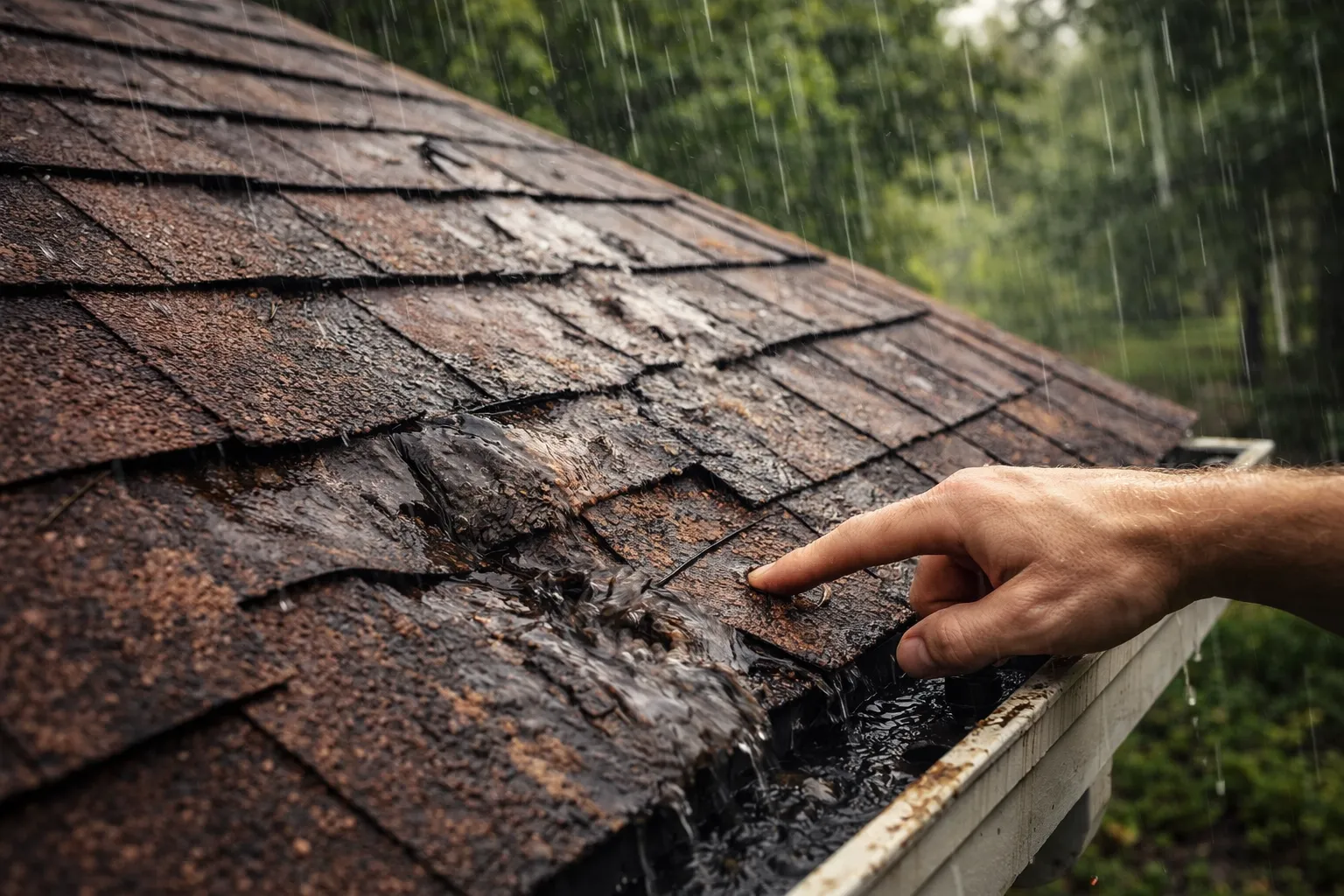
- Missing, Cracked, or Curled Shingles: These expose the underlayment to water. In Louisiana’s heat, shingles can curl upward, creating gaps.
- Granules in Gutters: Asphalt shingles shed granules as they age; excessive amounts signal wear and reduced waterproofing.
- Moss, Algae, or Mold Growth: Thriving in humid environments, these trap moisture and erode shingles. Black streaks (algae) are common on north-facing roofs.
- Damaged Flashing: Rust, bends, or gaps around roof features indicate potential leaks.
- Sagging Roof Lines: A dip or unevenness suggests water has weakened the decking below.
- Dark Streaks or Discoloration: These often mean granule loss or algae, making the roof more absorbent.
If you spot these, it’s time for a professional roof inspection. Our team at Premier South Roofing & Sheet Metal uses advanced tools to assess damage without invasive methods.
Interior Signs of Roof Water Damage
Water often shows up inside before exterior damage is obvious. Inspect ceilings, walls, and attics regularly:
- Water Stains on Ceilings or Walls: Yellow, brown, or rusty spots that grow after rain are classic signs. They may appear circular or streaky.
- Peeling Paint or Bubbling Wallpaper: Moisture causes paint to flake or wallpaper to lift, often near ceilings.
- Sagging Drywall or Ceilings: Bulging areas indicate absorbed water, risking collapse if ignored.
- Musty Odors: A damp, earthy smell suggests hidden mold, which thrives in Louisiana’s humidity.
These signs warrant immediate action to prevent mold-related health issues.
Attic and Hidden Signs
Don’t forget the attic, it’s where damage often hides:
- Damp or Discolored Insulation: Soggy spots mean water is seeping in.
- Mold on Rafters or Sheathing: Black or green growth on wood beams.
- Visible Light Through the Roof: Gaps let in light (and water).
- Puddles or Rust on Nails: Direct evidence of leaks.
Use a flashlight and moisture meter for a thorough check. Poor ventilation here can worsen issues in our steamy climate.
How to Safely Inspect Your Roof for Water Damage
Inspection shouldn’t mean taking a risk. Here’s a risk-free guide to examine your house yourself:
- Exterior Check: Use binoculars to scan shingles, flashing, and gutters from the ground.
- Gutter Inspection: Clear debris and look for granules or rust.
- Interior Scan: Check ceilings and walls after rain; use a ladder for attics.
- Post-Storm Review: Always inspect after heavy weather.
- Tools Needed: Flashlight, moisture meter, binoculars, avoid climbing if unsure.
For safety, hire pros like us for elevated inspections. Learn more about our residential roof inspection services.
Prevention Tips to Avoid Roof Water Damage
By staying vigilant, you can protect your property from the costly effects of roof water damage. Remember, in Louisiana, prevention is always better than cure, especially with our unpredictable weather.
- Clean gutters biannually, especially before hurricane season.
- Trim overhanging trees to reduce debris and shade that promotes algae.
- Ensure proper attic ventilation to combat condensation.
- Install high-quality flashing and underlayment during repairs.
- Schedule annual professional maintenance.
- Consider fortified roofing for storm resistance, we’re certified Louisiana Fortified Roofing Contractors.
These steps can extend your roof’s life by years in Louisiana’s tough conditions.
When to Call a Professional Roofer
If you notice multiple signs or aren’t comfortable inspecting, don’t delay. Early intervention prevents escalation. At Premier South Roofing & Sheet Metal, serving areas from Covington to Lake Charles, our in-house crews specialize in roof repair and metal roofing solutions tailored to Louisiana homes and businesses. We offer free consultations and handle insurance claims for storm damage.
Contact us today at our contact page or visit our locations to find a branch near you, like in Baton Rouge or Lafayette.