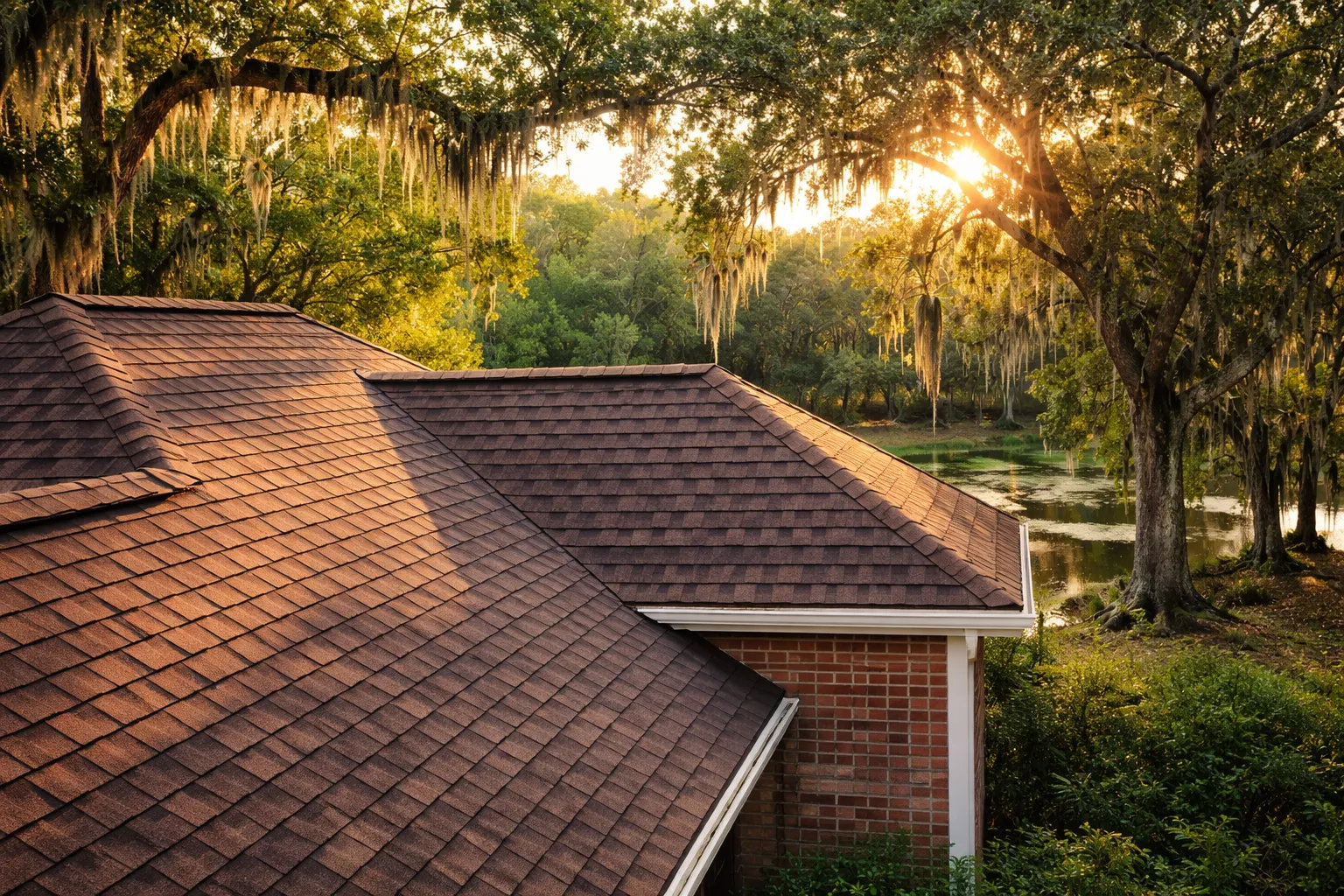
Louisiana’s subtropical climate, with its intense humidity, frequent heavy rains, scorching summers, and the ever-present threat of hurricanes and tropical storms, puts immense stress on roofing systems. Homeowners in cities like Baton Rouge, Lafayette, New Orleans, and Lake Charles often wonder: how long does a roof last in Louisiana? The answer isn’t one-size-fits-all, it depends on factors like material, installation quality, maintenance, and exposure to extreme weather events such as Hurricane Ida or Laura. At Premier South Roofing & Sheet Metal, a trusted Louisiana roofing company with in-house crews specializing in residential and commercial projects, we’ve helped countless property owners navigate these challenges. In this in-depth guide, we’ll explore average roof lifespans tailored to our state’s conditions, key influencing factors, signs of wear, maintenance strategies, and tips to maximize durability. By understanding these elements, you can protect your investment and avoid unexpected costly repairs.
Why Louisiana’s Climate Shortens Roof Lifespan
Louisiana’s weather is notoriously tough on roofs. High humidity levels, often exceeding 70%, promote mold, algae, and rot, while annual rainfall averaging 60 inches or more can lead to persistent moisture issues. Add in UV radiation from over 200 sunny days a year, which degrades materials like asphalt, and the risk of wind damage from storms (with gusts up to 150 mph in hurricanes), and it’s clear why roofs here don’t last as long as in milder climates. For instance, while a national average for asphalt shingles might be 20-30 years, in Louisiana, it’s often closer to 15-25 years due to accelerated wear. Regions like coastal areas near Houma or Slidell face even harsher salt air corrosion, further reducing longevity.
Proper ventilation and insulation are critical here to combat condensation in attics, which can shorten a roof’s life by 5-10 years if ignored. If you’re in a flood-prone area, elevated water exposure during events like the 2016 Baton Rouge floods can exacerbate damage. For expert advice on storm-resistant options, check our roof storm damage restoration services.
Factors Affecting Roof Longevity in Louisiana
Several variables determine how long your roof will hold up against Louisiana’s elements. Here’s a breakdown:
- Stormy Weather: Hurricanes, tropical storms, and high winds are the biggest culprits. The 2020 hurricane season alone, with storms like Laura and Delta, caused widespread roof failures across southwest Louisiana. Humidity fosters biological growth, while heat causes expansion and contraction, leading to cracks.
- Roofing Material Quality: Higher-grade materials resist fading, cracking, and impact better. For example, impact-rated shingles perform well in hail-prone areas like north Louisiana.
- Installation Quality: Poor flashing around chimneys or vents can allow water intrusion. Professional installation, like what we provide at Premier South, ensures compliance with local codes and FORTIFIED standards for wind resistance.
- Maintenance and Upkeep: Neglect accelerates decay. Regular cleaning of debris from oak or pine trees common in Louisiana prevents clogged gutters and pooling water.
- Roof Slope and Design: Steeper pitches shed water faster, reducing rot risk in our rainy climate.
- Ventilation: Inadequate attic airflow leads to heat buildup, shortening shingle life by up to 20%.
To assess your roof’s condition, schedule a professional roof inspection in Louisiana, our team uses drones for safe, detailed evaluations.
Average Roof Lifespan by Material in Louisiana
Choosing the right material is key in our climate. Below is a comparison table based on industry data adjusted for Louisiana’s conditions. Note that these are averages; actual lifespan can vary with maintenance and storm exposure.
| Roofing Material | Average Lifespan in Louisiana | Pros in LA Climate | Cons in LA Climate |
| Asphalt Shingles | 15-25 years | Affordable, easy to install; good for moderate budgets. | Prone to algae/mold growth; degrades faster in heat/humidity. |
| Metal Roofing | 40-70 years | Excellent wind resistance (up to 140 mph); rust-resistant coatings handle humidity. | Higher upfront cost; can dent in hail. |
| Clay or Concrete Tile | 30-50 years (clay up to 100) | Durable against heat and fire; aesthetic appeal for historic homes in New Orleans. | Heavy, requires strong structure; can crack in high winds if not secured. |
| Slate | 50-100+ years | Extremely long-lasting; resistant to rot and insects. | Expensive; brittle in extreme weather without proper installation. |
| Wood Shakes/Shingles | 20-40 years | Natural look suits rural Louisiana homes; good insulation. | Susceptible to rot, mold, and termites in humid conditions. |
| Flat Roofing (e.g., TPO, EPDM) | 15-30 years | Cost-effective for commercial buildings; reflective options reduce cooling costs. | Poor drainage leads to pooling in heavy rains; UV damage accelerates wear. |
For homes in hurricane zones, we recommend metal roofing for its superior longevity and energy efficiency, many of our installations in Lafayette have withstood Category 4 winds.
Signs Your Roof Is Nearing the End of Its Lifespan
Spotting issues early can save you from leaks and structural damage. In Louisiana, look for these red flags, especially after storms:
- Missing or Damaged Shingles/Tiles: High winds strip materials, exposing underlayment.
- Granule Loss on Asphalt Shingles: Bald spots indicate UV degradation; common in sun-exposed south-facing roofs.
- Sagging or Uneven Roof Deck: Suggests water damage or rot from prolonged moisture.
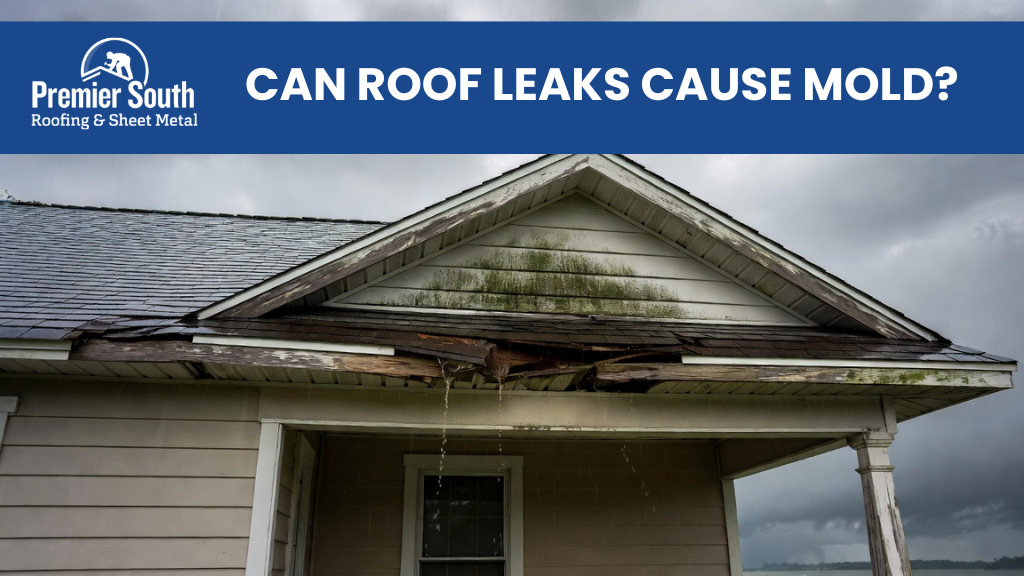
- Algae, Moss, or Mold Growth: Black streaks or green patches thrive in our humidity, eroding surfaces.
- Interior Water Stains or Leaks: Brown spots on ceilings signal penetration, often from flashing failures.
- Increased Energy Bills: Poor insulation from aging roofs strains AC units in Louisiana’s heat.
- Curling or Buckling Shingles: Heat and moisture cause edges to lift, creating entry points for water.
If you notice these, don’t wait, contact us for a roof repair assessment. We’ve restored roofs in areas like Covington post-storm with minimal disruption.
How to Extend Your Roof’s Lifespan in Louisiana
Proactive care can add 5-10 years to your roof’s life. Here are Louisiana-specific tips:
- Schedule Annual Inspections: Post-hurricane season (June-November), check for damage. Our roof inspection services include moisture scans.
- Clean Gutters Regularly: Twice a year, remove leaves and debris to prevent backups, vital in our leafy suburbs.
- Trim Overhanging Trees: Prevent branch rubbing and shade that promotes algae.
- Improve Attic Ventilation: Install ridge vents or fans to reduce heat and humidity buildup.
- Apply Protective Coatings: Algae-resistant treatments for shingles; sealants for metal.
- Address Minor Repairs Promptly: Fix small leaks before they escalate in rainy seasons.
- Choose FORTIFIED Roofing: As certified Louisiana Fortified Roofing Contractors, we build roofs that qualify for insurance discounts and last longer in storms.
Implementing these can significantly cut replacement frequency, especially in high-risk areas like Lake Charles.
Repair vs. Replace: Making the Right Choice
If your roof is over 15 years old and shows multiple signs, replacement might be more economical long-term. Repairs suit isolated damage (e.g., post-storm shingle fixes), but if issues cover 30% or more of the surface, opt for a full roof replacement. In Louisiana, insurance often covers storm-related replacements, and we handle the claims seamlessly.
Best Roofing Materials for Louisiana’s Climate
For durability, metal roofs shine in our environment, offering low maintenance and energy savings. Tile works well for traditional architecture in places like Mandeville, but ensure wind-rated installation. Avoid wood in coastal zones due to salt and humidity. Explore our commercial metal roofing options for businesses facing similar challenges.
Protect Your Home with Premier South Roofing & Sheet Metal
In Louisiana’s demanding climate, a roof’s lifespan hinges on smart choices and timely action. Don’t let minor issues become major expenses, whether you’re in Baton Rouge, Lafayette, or New Orleans, our experts are here to help. We offer free consultations, insurance assistance, and top-tier installations. Contact us today to extend your roof’s life and safeguard your property.