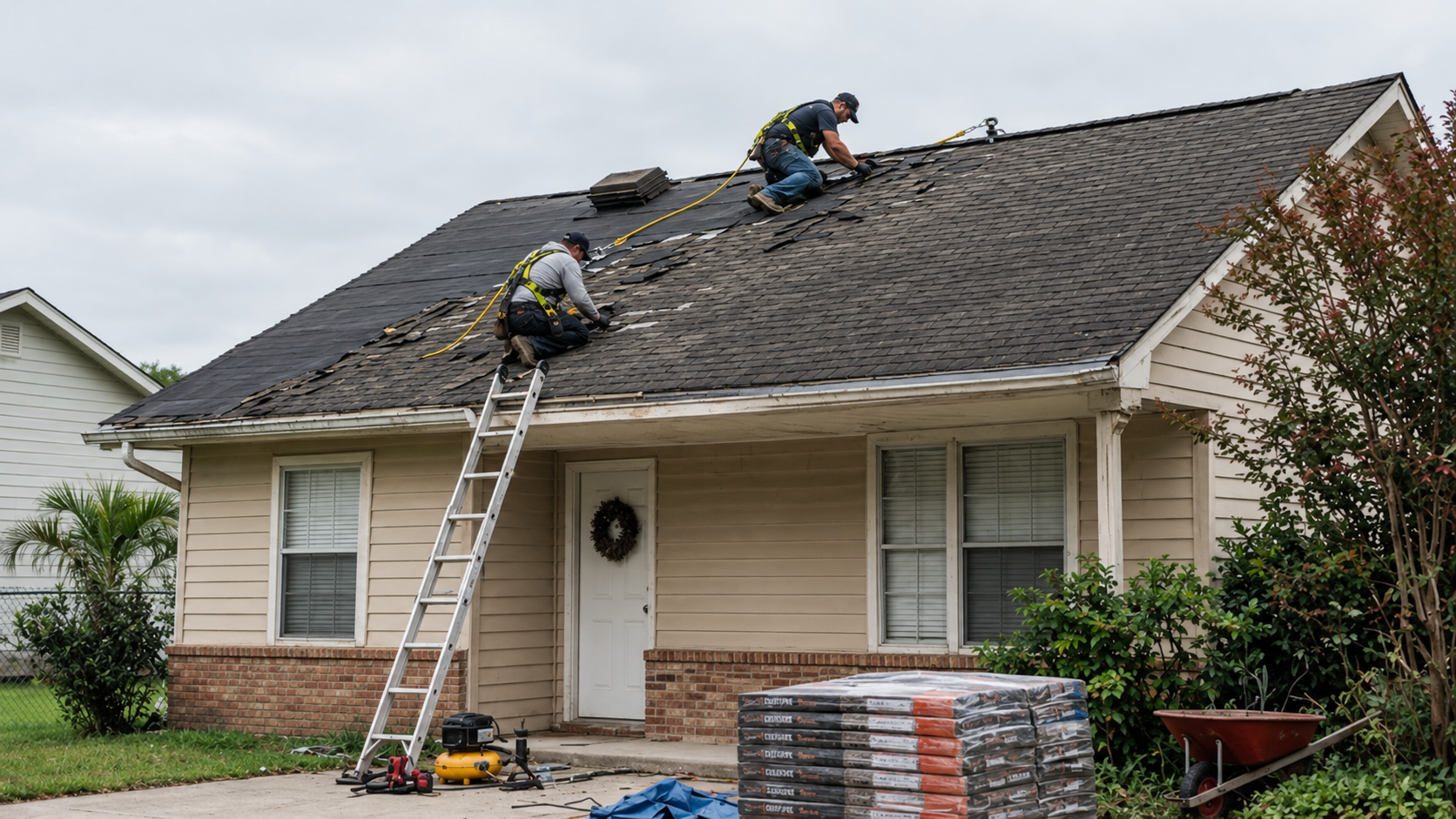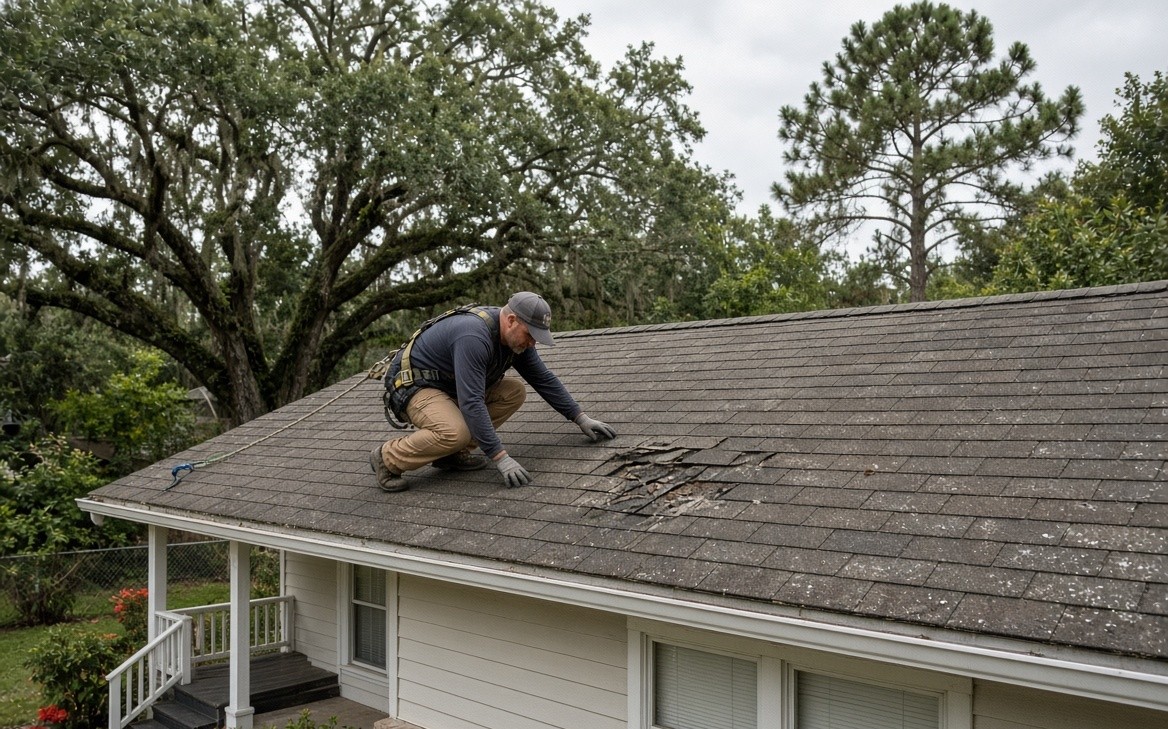
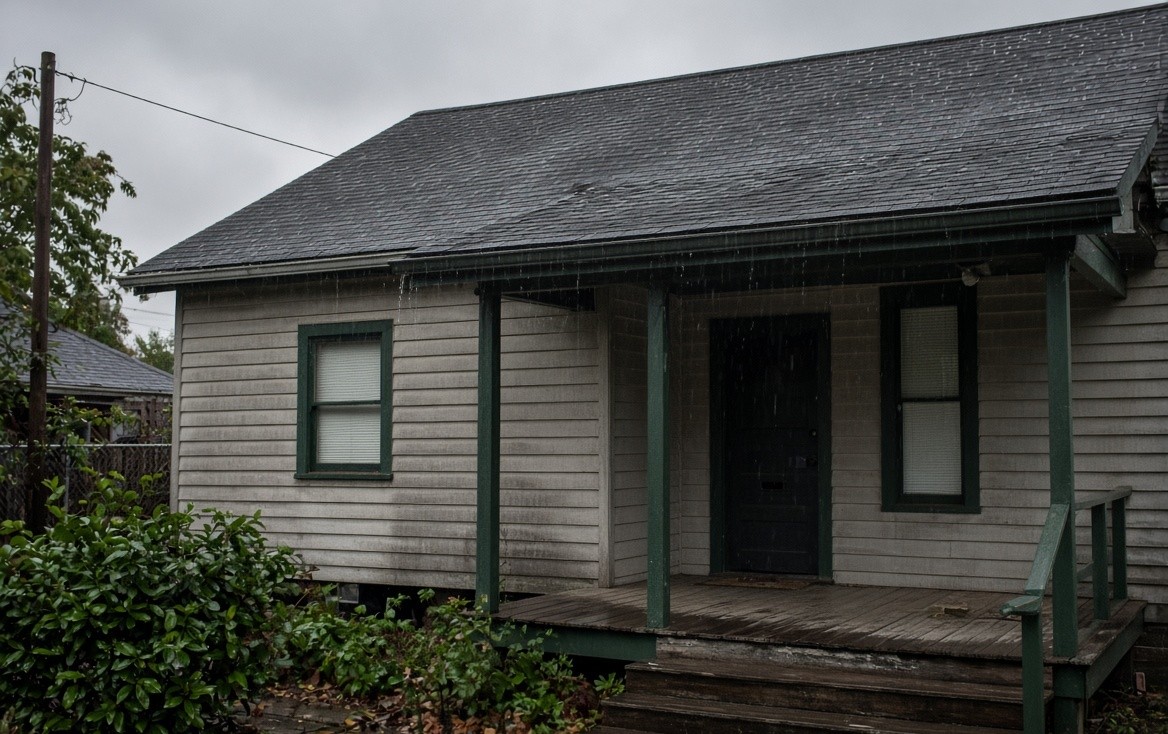
A roof leaking after heavy rain can turn a routine evening into a stressful one. A bucket may catch a drip, but it does not explain where the water entered or whether other materials are wet. Start by protecting people, then document the problem and arrange an inspection.
This guide explains what Louisiana homeowners can do safely, what a roofer should investigate, and why a leak deserves attention even when the ceiling stops dripping after the storm.
October 2026 rain news: the New Orleans context
News checked on October 10, 2026. Early October weather disrupted plans in New Orleans. The National Fried Chicken Festival’s official FAQ attributes its move from October 2–4 to October 9–11 to the severe-weather threat and National Weather Service flood advisories for the New Orleans area.
An October 9 Axios New Orleans report confirmed the festival was returning that weekend after the previous week’s rain delay. For homeowners who noticed a new leak during recent rain, the priority is finding and correcting the water entry point.
First, check whether the affected area is safe
Keep people and pets away from a bulging or sagging ceiling, loose materials, and water near electrical fixtures. Do not climb onto a wet roof, set up a ladder in stormy conditions, or enter an attic with unsafe footing or signs of structural damage.
If water is near lights, outlets, or appliances, avoid touching wet equipment. Ready.gov’s flood safety guidance advises against touching electrical equipment when it is wet or when you are standing in water. Seek qualified electrical help, and do not approach a breaker panel unless the route and equipment are safe. If you see sparks, smell burning, or face an immediate danger, leave the area and contact emergency services.
Protect belongings without disturbing damaged materials
If the area is safe, move furniture, electronics, and valuables away from the leak. A container can catch accessible drips, and towels can limit splashing on a safe floor. Keep walkways clear so water does not create a slipping hazard.
Do not stand beneath an unstable ceiling or puncture it yourself. Avoid opening walls or ceilings to trace the leak. Temporary roof protection should be assessed and installed by a qualified professional when conditions allow.
Document what you can see from a safe position
Photograph ceiling stains, active drips, wet belongings, and any visible exterior damage from ground level. Record when the leak started, which rooms were affected, and whether it appeared only during wind-driven rain or continued afterward.
Keep earlier roof repair records if you have them. Tell the roofer whether the same area has leaked before. This information helps the inspection focus on the history of the problem as well as the damage visible today.
Our guide to early signs of roof water damage explains other changes worth reporting, including staining and signs of moisture.
Why a roof may leak during heavy rain
Water can enter through damaged roofing materials or vulnerable details around vents, chimneys, and roof-to-wall connections. Flashing problems, damaged pipe boots, and debris affecting drainage are among the issues a roofer may need to check.
Heavy rain can reveal an existing weakness that was less noticeable during a lighter shower. The wet spot inside the house may not sit directly beneath the exterior entry point, so sealing the area above a ceiling stain without tracing the source can miss the problem.
A roof inspection should distinguish roof-related water entry from other possible sources, such as plumbing or condensation. Describe when the moisture appears instead of assuming the roof is the cause of every ceiling stain.
Arrange an inspection even if the dripping stops
Dry weather may stop visible water entry while leaving the roof defect unresolved. Ask the inspector to identify the source, document the affected area, and explain whether a targeted repair is appropriate. A new leak does not automatically require a full roof replacement.
Premier South’s residential roof repair services provide a starting point for assessing the problem. If you also see storm-related damage, review our storm damage restoration services and discuss those observations when requesting the inspection.
Address wet materials after the leak is controlled
Roof work and interior drying are separate needs. Stopping water entry does not automatically dry wet insulation, drywall, or furnishings. The EPA’s moisture and mold guidance recommends drying water-damaged materials within 24–48 hours to help prevent mold growth.
Seek professional restoration help when water damage is extensive, moisture is hidden, or materials cannot be dried safely. Read our article on roof leaks and mold in Louisiana homes for more context. Painting over a stain should wait until the cause has been corrected and the affected materials have been assessed.
Frequently asked questions
Why does my roof leak only when it rains hard?
The amount of rain, wind direction, and drainage conditions can affect when water reaches a weak point. An inspection should identify the defect rather than treating the absence of a leak in light rain as proof that the roof is sound.
Can I fix the leak with roof sealant?
The right repair depends on the cause and the roofing materials. Applying sealant without a diagnosis can leave the source unresolved. Stay off the roof and ask a qualified roofer to recommend appropriate work.
Does a dry ceiling mean the problem is solved?
No. A ceiling can stop dripping when the rain ends even if the entry point remains. Have the roof checked and make sure affected interior materials are properly assessed and dried.
Get help with a roof leak in Louisiana
Premier South Roofing & Sheet Metal serves homeowners in New Orleans, Covington, Lafayette, and surrounding service areas.
Request a free roof inspection and describe the leak, when it started, and any safety concerns. A clear account of what happened helps the team discuss the next steps for your home.