In Louisiana, where hurricanes, high winds, heavy rains, and relentless humidity are part of life, a properly installed roof isn’t just about aesthetics, it’s essential for protecting your home, family, and investment. A well-executed roof installation follows manufacturer guidelines, local building codes, and ideally, enhanced standards like those from the Insurance Institute for Business & Home Safety (IBHS) FORTIFIED program. But how can you tell if your roof was done right, especially after a recent replacement or new build?
Many homeowners in Baton Rouge, Lafayette, New Orleans, and surrounding areas discover issues months or years later through leaks, premature wear, or storm damage. The good news? You can spot signs of quality workmanship with a careful inspection from the ground, ladder (if safe), or attic. In this guide, we’ll cover key indicators of a correct installation, red flags for poor work, and why partnering with experienced contractors like Premier South Roofing & Sheet Metal makes all the difference in our challenging climate.
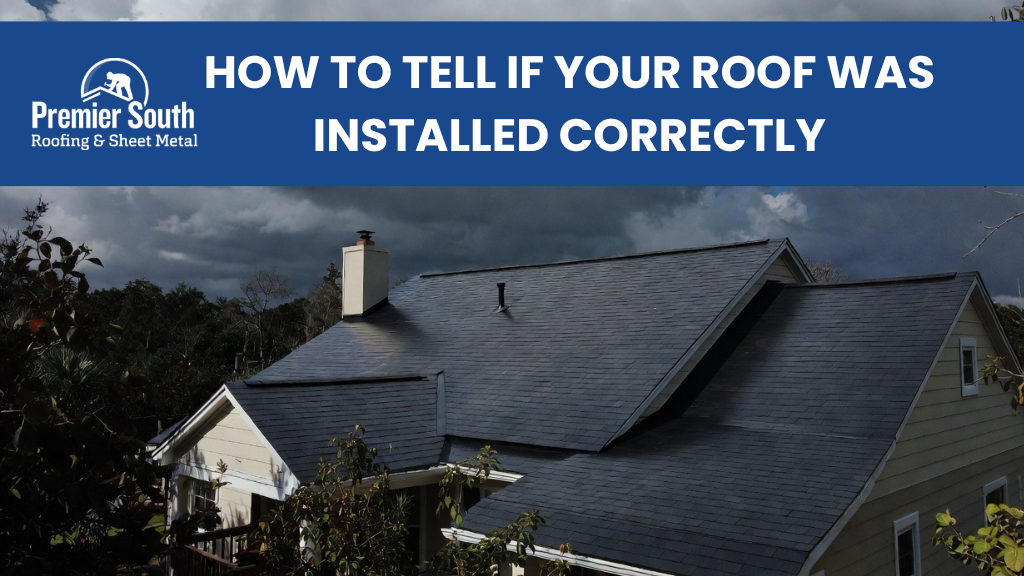
Visual Inspection from the Ground: What a Properly Installed Roof Looks Like
Start with a distant view of your roof, step back or use binoculars. A quality installation appears uniform and professional.
- Straight, Even Shingle Lines: Shingles should align perfectly in horizontal rows, parallel to the eaves and ridges. No wavy, crooked, or angled lines. Misaligned shingles often indicate rushed work or improper starting points, leading to gaps that invite wind-driven rain.
- Consistent Overhang and Edges: Shingles should overhang the eaves and rakes by about ½ to 1 inch consistently. Uneven overhangs or shingles cut haphazardly suggest poor measuring or cutting.
- No Patchy or Varied Appearance: The entire roof should look cohesive, same color tone, no obvious patches where shingles differ in style or weathering. A “patchwork” look might mean leftover materials from other jobs or incomplete coverage.
- Clean, Sealed Valleys and Transitions: Roof valleys (where two slopes meet) should have smooth, sealed flashing or woven shingles without gaps or exposed nails. Poor valley work is a common leak source in Louisiana storms.
If your roof passes this visual check, it’s a strong start, but don’t stop there.
Key Components: Signs of Proper Installation Up Close
Climb a ladder (safely) or hire a professional inspector to examine details.
- Proper Nailing and Fastening: Nails should be hidden under overlapping shingles, driven flush (not overdriven or underdriven), and placed in the correct nailing zone per manufacturer specs, typically 4-6 nails per shingle. Exposed nail heads (“shiners”) allow water entry and reduce wind resistance. In Louisiana, FORTIFIED standards require ring-shank nails for superior grip against uplift forces.
- Drip Edge and Starter Strip: A metal drip edge should be securely installed along eaves and rakes, with a wider profile for better water shedding. Starter shingles must be fully adhered and properly sealed to prevent blow-off. Missing or inadequate drip edge is a frequent mistake that leads to fascia rot and leaks.
- Flashing Around Penetrations: Chimneys, vents, skylights, and pipes need robust, sealed flashing, often step flashing integrated with shingles. Look for no gaps, proper overlapping, and sealant application. Poor flashing around roof penetrations causes most attic leaks in humid climates.
- Underlayment and Sealed Deck: While not always visible, signs of proper underlayment include no bunching or wrinkles showing through shingles. In high-risk areas, a sealed roof deck (using tape or enhanced underlayment) prevents water intrusion if shingles are damaged, a core FORTIFIED requirement.
- Ventilation Features: Ridge vents, soffit vents, or other systems should be installed correctly without blockages. Poor ventilation traps heat and moisture, accelerating shingle deterioration and mold in Louisiana’s steamy environment.
Attic and Interior Checks: Hidden Signs of Quality
Don’t overlook the inside, many installation flaws show up here first.
- No Water Stains or Moisture: Fresh stains, damp spots, or mold on rafters, insulation, or ceilings indicate leaks from improper sealing or flashing.
- Proper Deck Condition: If accessible, check for solid, repaired sheathing without rot. A thorough tear-off (rather than layering over old shingles) allows deck inspection and repair.
- Adequate Ventilation: Good airflow reduces heat buildup, no blocked vents or excessive condensation.
Early signs like these often trace back to shortcuts during installation.
Why Louisiana Demands Extra Attention to Proper Installation
Our state’s subtropical climate and hurricane exposure make subpar roofs vulnerable. High winds can lift poorly fastened shingles, while humidity promotes rapid mold growth from even minor leaks. That’s why many Louisiana homeowners opt for FORTIFIED roofs, which include:
- Ring-shank nails and enhanced deck attachment for wind resistance.
- Sealed roof decks to block water entry.
- Wind- and rain-resistant vents.
- Stronger edge details like wider drip edges and adhered starters.
These features go beyond standard code, offering superior protection. Premier South Roofing & Sheet Metal is a certified Louisiana FORTIFIED Roofing Contractor, using hand-nailed techniques (avoiding nail guns that can split wood or overdrive fasteners) and following IBHS standards for lasting resilience in areas from Baton Rouge to Houma.
Red Flags: Common Signs of Improper Installation
Watch for these warning signs that scream “poor workmanship”:
- Missing or loose shingles shortly after installation.
- Buckled, curled, or sliding shingles.
- Visible sagging or uneven roof deck.
- Frequent leaks after rain.
- Premature granule loss or fading.
If you spot these, act quickly, delaying can lead to thousands in interior damage.
What to Do If You’re Unsure About Your Roof
Schedule a professional inspection. At Premier South, we offer free roof assessments across Southeast Louisiana, from Abbeville to Zachary. Our team checks for FORTIFIED compliance, proper fastening, and potential issues, providing detailed reports and solutions like roof repairs, replacements, or upgrades to metal roofing for extra durability.
Don’t rely on guesswork, especially with hurricane season always looming.
Protect Your Home with Confidence
A correctly installed roof looks uniform, functions seamlessly, and withstands Louisiana’s weather for decades. By knowing what to look for, straight lines, hidden nails, solid flashing, and no interior moisture, you can assess your roof’s quality and catch problems early.
If your current roof falls short or you’re planning a new roof installation, contact Premier South Roofing & Sheet Metal today. Our hand-nailed roofing, FORTIFIED-certified approach ensures your home stays secure. Schedule your free inspection now and gain peace of mind in every storm.